
Pros and Cons of Biomass Energy
Last updated: 27 Dec 2023
Learn more about the pros and cons of biomass energy.
Did you know?
Every year, Malaysia produces more than 168 million tonnes of biomass, including timber and oil palm waste, rice husks, coconut trunk fibres, municipal waste and sugarcane waste.
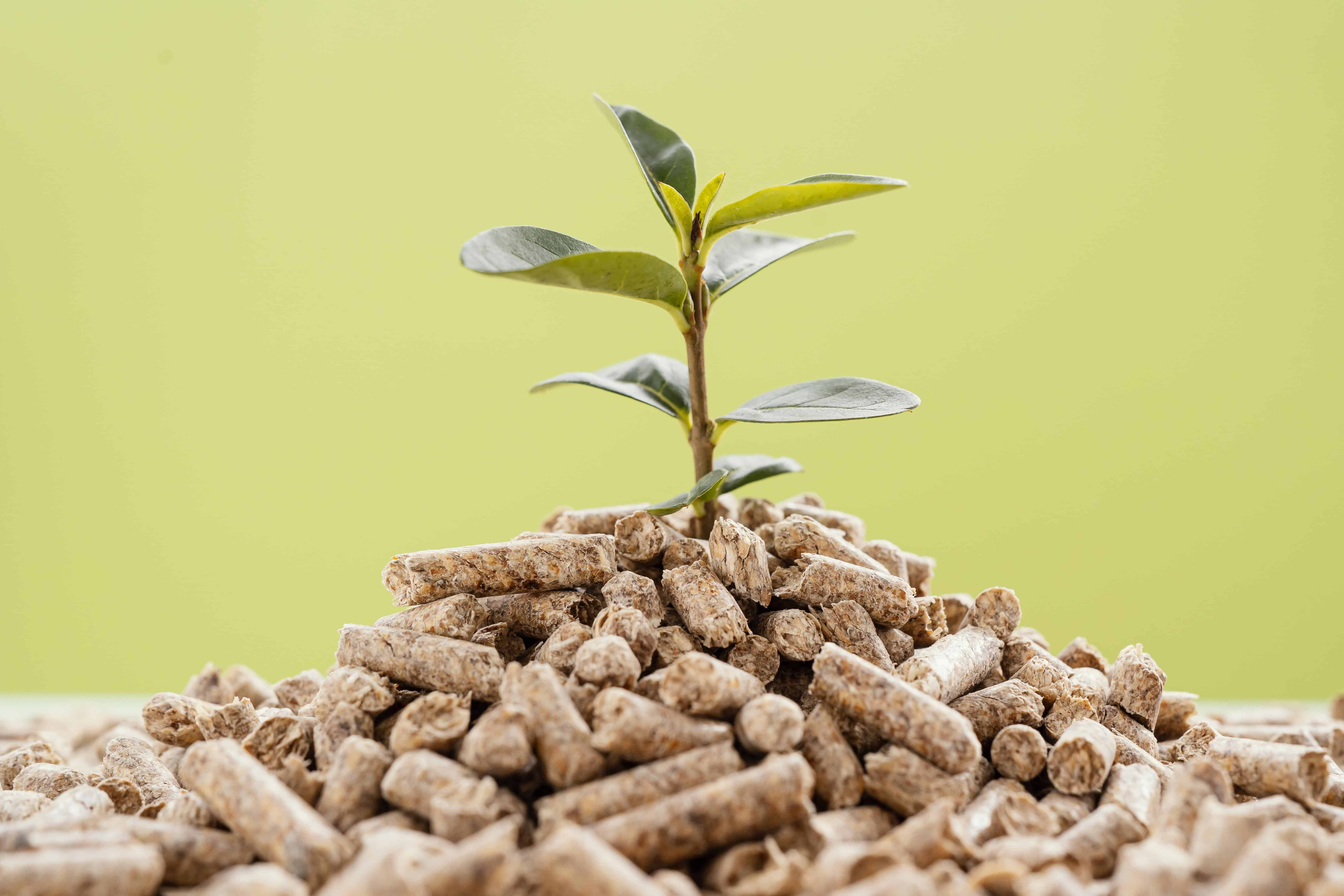
Biomass energy refers to the use of organic matter, such as agricultural residues, wood or organic waste, as a source of energy. It can be converted into heat, electricity or biofuels through processes like combustion, gasification or anaerobic digestion.
Under the EC-ASEAN Cogeneration Program, there are three ongoing Full-Scale Demonstration Projects (FSDPs) to promote biomass energy systems in Malaysia:
- The 1.5MW Titi Serong power plant located at Parit Buntar (Perak) is based on rice husk.
- The 2MW Sungai Dingin Palm Oil Mill project makes use of palm kernel shells and fibre to generate steam and electricity.
- The 14MW TSH Bioenergy Sdn Bhd located at Tawau (Sabah) is the biggest biomass power plant in Malaysia and utilises empty fruit bunches, palm oil fibre and palm kernel shells as fuel resources.
Pros of Biomass Energy:
1. Renewable and Sustainable
Biomass is derived from organic materials, which can be replenished through natural processes. It provides a continuous source of energy as long as sustainable practices are followed in its production and use.
2. Waste Management Solution
Biomass energy utilises agricultural residues and organic waste that would otherwise be discarded or left to decompose. Converting these materials into energy offers a solution for waste management and reduces environmental pollution.
3. Local Resource Utilisation
Malaysia has abundant biomass resources, especially from the palm oil industry. Utilising these resources for energy production can reduce dependence on fossil fuels.
4. Reduced Greenhouse Gas Emissions
Biomass energy releases carbon dioxide during combustion, but the carbon emitted is part of the natural carbon cycle. When managed sustainably, the greenhouse gas emissions from biomass energy can be lower than fossil fuels.
Cons of Biomass Energy:
1. Land and Resource Competition
The production of biomass for energy can compete with other land uses, such as food production or conservation efforts.
2. Environmental Impacts
Biomass production and harvesting may have environmental impacts, such as habitat destruction, soil erosion and water usage.
3. Air Pollution
Biomass combustion can release air pollutants, including particulate matter and volatile organic compounds. However, modern biomass systems employ technologies like filters and emission controls to minimise these pollutants.
4. Limited Scalability
The availability of biomass resources may be limited, particularly in densely populated or urban areas. The scalability of biomass energy can be constrained by the availability and logistics of biomass feedstock.
Key Takeaways:
- Malaysia has a significant amount of biomass resources, particularly from the palm oil industry, which can be utilised for energy production.
- Biomass energy offers a sustainable solution for managing agricultural residues and organic waste, as well as reducing environmental pollution.
- When produced and managed sustainably, biomass energy has the potential to be carbon-neutral, as the carbon emitted during combustion is offset by the carbon absorbed by plants during their growth.