
Pros and Cons of Wind Energy
Last updated: 3 Jan 2024
Delve into the pros and cons of wind energy.
Did you know?
The sun's uneven heating of the atmosphere, the earth's irregular surfaces (mountains and valleys), and the earth's revolution around the sun all combine to create wind!
Wind energy is a renewable and clean source of power that has gained significant attention as a viable alternative to traditional fossil fuel-based energy. While it offers several benefits, it also presents challenges that need to be considered.
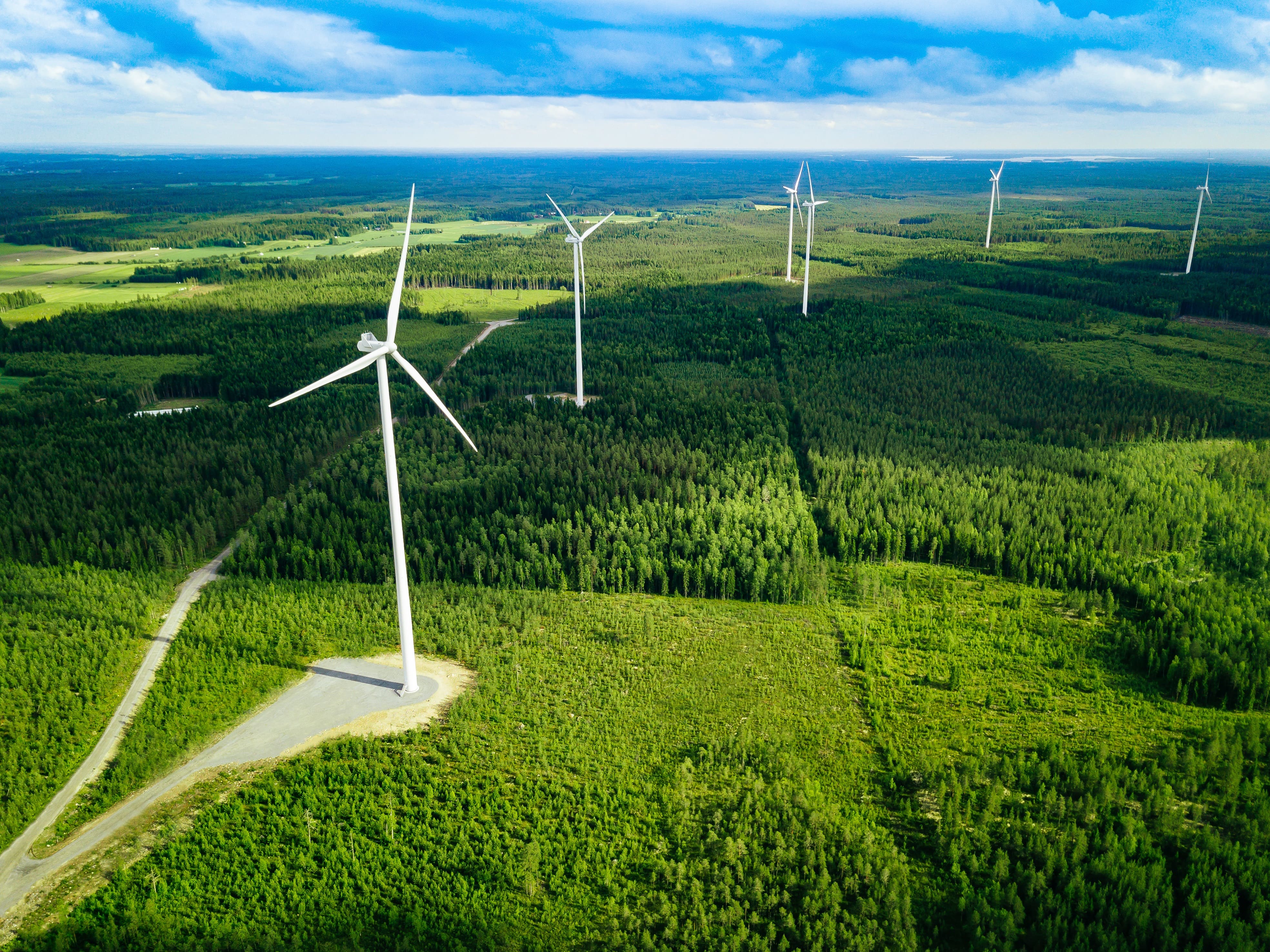
Pros of Wind Energy:
1. Renewable and Sustainable
Wind energy harnesses the power of the wind, which is a natural occurrence, making it a sustainable energy option.
2. Environmentally Friendly
Wind energy produces no greenhouse gas emissions or air pollutants during operation. It helps reduce reliance on fossil fuels, mitigating the negative impact of climate change and improving air quality.
3. Cost-effective
Once a wind turbine is installed, wind energy can be cost-effective because operational costs are relatively low and the fuel source (wind) is free.
4. Job Creation
The wind energy industry provides job opportunities in various sectors, including manufacturing, installation, maintenance, and research.
Cons of Wind Energy:
1. Intermittent and Variable
Wind energy production fluctuates based on wind speed and direction, requiring backup power sources or energy storage systems to ensure a consistent energy supply.
2. Visual and Noise Impact
Wind turbines, especially when grouped together in wind farms, can have visual and noise impacts on the surrounding landscape and communities.
3. Initial High Costs
While wind energy can be cost-effective in the long run, the initial investment for installing wind turbines and establishing wind farms can be substantial.
4. Transmission and Grid Integration
Connecting wind farms to the existing power grid can be complex and expensive, requiring infrastructure upgrades and investments in transmission lines.
Key Takeaways:
- Wind energy is a clean, renewable, and cost-effective source of electricity that contributes to environmental sustainability and job creation.
- However, challenges such as intermittent generation, visual and noise impacts, land use concerns, and initial high costs need to be addressed for its widespread adoption.
- A balanced approach that considers these pros and cons is necessary to harness wind energy's potential while minimising its drawbacks and maximising its benefits.