
The Environmental Impact of Wind Energy
Last updated: 27 Dec 2023
Explore the impact wind energy brings to our environment.
As the world strives to transition towards cleaner and more sustainable sources of energy, wind power has emerged as a prominent solution. Harnessing the power of wind to generate electricity offers significant benefits for the environment. Here are some positive environmental impacts of wind energy.
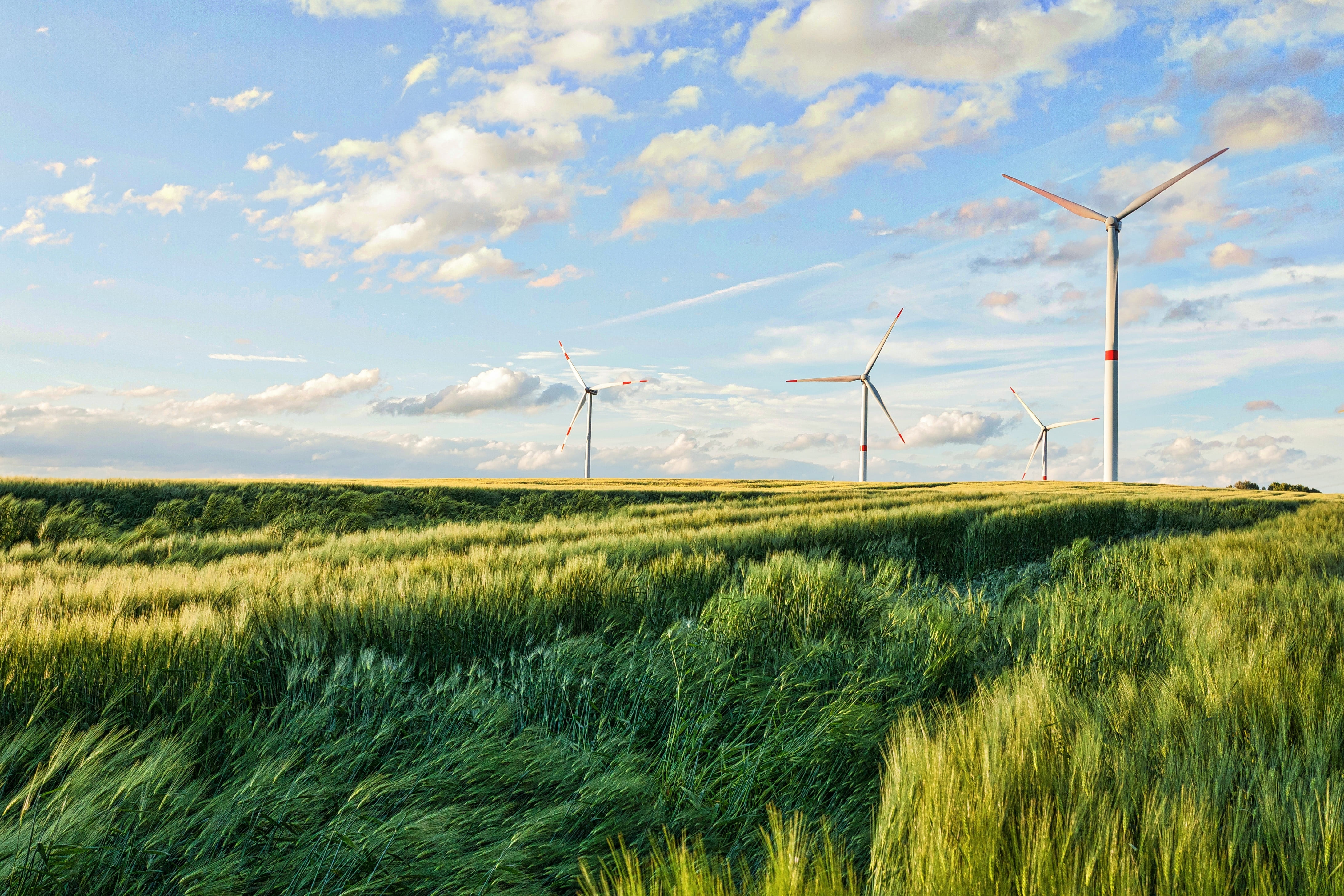
1. Reduced Greenhouse Gas Emissions
Unlike fossil fuel-based energy generation, wind turbines do not emit greenhouse gases such as carbon dioxide or other air pollutants during operation. By displacing traditional power plants, wind energy helps mitigate climate change by reducing the amount of carbon dioxide released into the atmosphere.
2. Improved Air Quality
The combustion of fossil fuels for energy production contributes to poor air quality, leading to respiratory problems and other health issues. Wind power eliminates the need for burning coal or natural gas, thus improving local air quality by reducing the emission of harmful pollutants such as sulfur dioxide, nitrogen oxides and particulate matter.
3. Conservation of Water Resources
Traditional power generation methods, such as coal-fired and natural gas power plants, require vast amounts of water for cooling purposes. Wind energy, on the other hand, does not consume water during operation, helping to conserve this valuable resource.
4. Preservation of Natural Resources
Wind energy does not deplete natural resources like fossil fuels do. This reduces our reliance on finite resources, preserves natural landscapes from mining or drilling activities, and protects delicate ecosystems from habitat destruction.
5. Mitigation of Environmental Disruptions
Compared to other forms of energy generation, wind farms have a relatively low environmental footprint. Proper planning and site selection minimise the impact on wildlife and ecosystems. With proper consideration given to migratory bird routes and habitat preservation, wind energy can coexist harmoniously with nature.
Key Takeaways:
- Wind energy plays a vital role in reducing greenhouse gas emissions, improving air quality, conserving water resources, preserving natural landscapes and mitigating environmental disruptions.
- It is essential for us to prioritise responsible planning and ensure that wind energy projects are implemented with careful consideration for the environment.